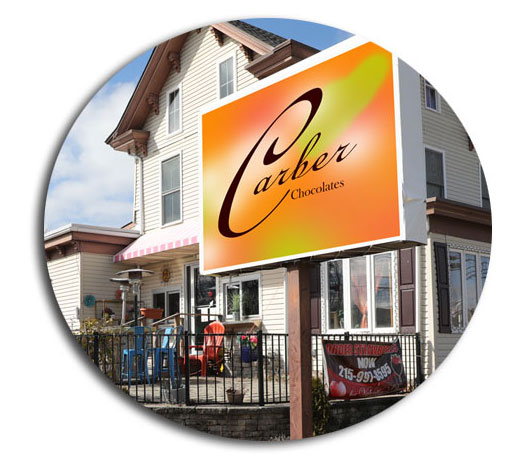
The best candy and fudge I have had in 25 years !!! Great chocolate and No junk in it ! If you have not tried this shop, you are missing out on something! You will love it.
Cathy Greene Munchback
WOW, now that is some good chocolate. The chocolate covered cherries explode in your mouth with a perfect balance flavor. Not too sweet, not too tart, and just the right match of chocolate. I'm hooked.
Kurt Geisler
The chocolate is DIVINE! I grab a large bag of their chocolate dipped pretzels for the family. They said it's the pretzels that came out "not perfect." But I am willing to be the QC any day! Also the nonpareils are drops of that delicious high quality chocolate also awesome! I gave dipped butter creams as a family presents. Also highly praised!
Calypso Lilly
By far the best chocolate I have ever tasted! I bought the chocolate covered pretzels and picked up a box of assorted dark chocolates. The employee who assisted me was extremely knowledgeable and gave me a sample of a chocolate covered cherry which was absolutely amazing!! I will be stopping by again for sure. If you enjoy chocolate you have to check them out.
Barbara Smith
Opening Hours
Open Seasonally- December through June. Open 11am-6pm, Monday to Saturday.